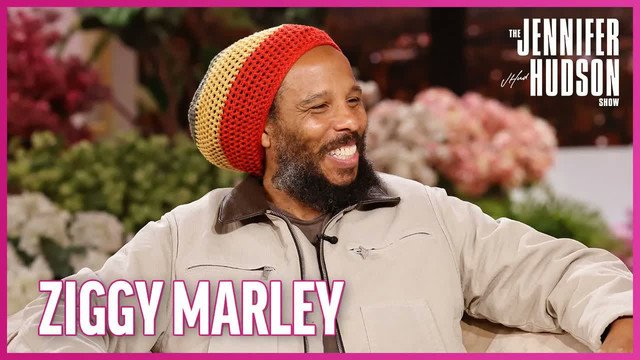

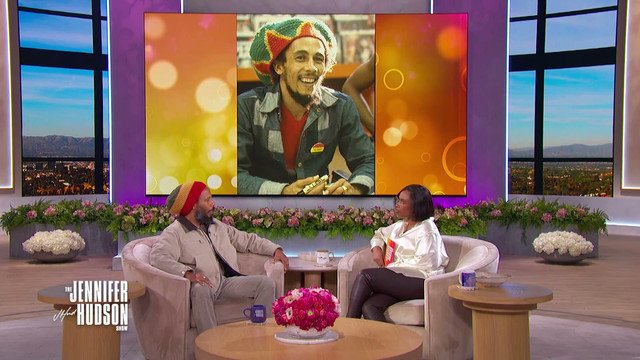
Family Rehearsals Reveal The Unity Message Behind A Landmark Music Film’s Lasting Legacy Ziggy Marley arrived on “The Jennifer Hudson Show” carrying a story that reached far beyond a famous name and a celebrated catalog. The conversation centered on “Bob Marley: One Love” and the personal meaning behind bringing that story to audiences worldwide.
The film was never intended to be only a portrait of a musical legend. Instead, Ziggy explained that the project was created to share a powerful message about connection, purpose, and unity.
For Ziggy, the timing of the film mattered as much as the story itself. He described the process as something that came together through instinct, timing, and a desire to offer audiences something meaningful.
The goal was not simply to revisit historic moments or celebrate worldwide success. The deeper purpose was to remind people about the values that shaped a family and inspired generations.
During the interview, Ziggy reflected on his emotional response after seeing the finished movie. He revealed that his strongest feelings were not sadness, but laughter, warmth, and joy.
Those reactions came from recognizing familiar moments from his early life. The film brought back memories of a household filled with music, creativity, and a personality that remained larger than life.
Rather than focusing only on public achievements, Ziggy remembered the human side behind the music. He described moments that reflected humor, energy, and the everyday experiences that shaped his family.
The memories offered a different perspective on a global icon. Behind the concerts and recordings was a person whose influence came from relationships, discipline, and a commitment to helping others.
Ziggy said the lessons passed through his family extended far beyond music. He learned the importance of hard work, sacrifice, kindness, and dedication from the example set around him.
Those values became central to how he viewed the film’s mission. The story was not about creating a monument to one person, but about sharing principles that could inspire communities.
The conversation revealed a tension that often surrounds stories about famous figures. Audiences may expect a celebration of success, while families often want to preserve the deeper meaning behind the public image.
For Ziggy, the most important question was whether the film delivered the right message. He believed the legacy mattered most when it encouraged people to find common ground.
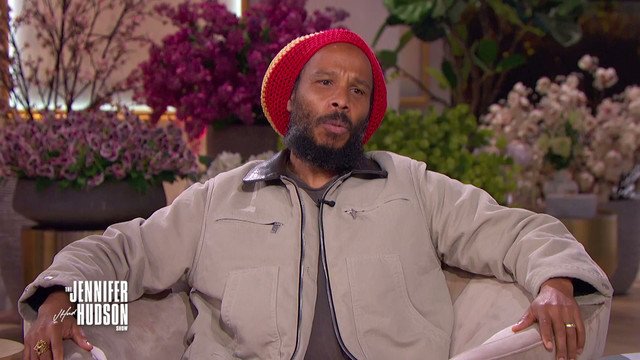
He explained that the focus should remain on unity rather than personal recognition. The idea was to show how music could become a bridge between different people and experiences.
That message became the foundation of the film’s emotional impact. The movie presented a story about music, but also about responsibility and using creativity for a greater purpose.
Ziggy’s memories also returned to the earliest days of his own musical journey. Growing up surrounded by rehearsals gave him a unique introduction to performance and songwriting.
He recalled learning drums while family members practiced together. Those moments were not presented as unusual events, but as natural parts of life inside a musical household.
The sounds of rehearsals became part of his everyday environment. Music was not separate from family life because it filled the rooms, conversations, and shared experiences around him.
His first steps as a songwriter also began at a young age. Ziggy described discovering his own creative voice while learning from the environment that surrounded him.
Those early experiences shaped his understanding of music as something personal and communal. Songs were not only performances, but expressions of identity and connection.
The interview also explored the excitement of performing alongside family members. Ziggy described appearing onstage with his father and siblings as a joyful and natural experience.
There was a sense of togetherness in those memories. Performing was not simply a professional responsibility, but an extension of the bond created through years of shared music.
The film’s creation allowed Ziggy to revisit those moments from a new perspective. He could look back not only as an artist, but as someone preserving family history.
That perspective helped define what he wanted audiences to understand. The story was about more than fame, awards, and global recognition.
It was about the impact of a message that continued after the original songs were released. Ziggy emphasized that the values behind the music remained relevant across generations.
The conversation highlighted how personal memories can reshape public stories. A familiar figure can become newly understood when viewed through the experiences of those closest to him.
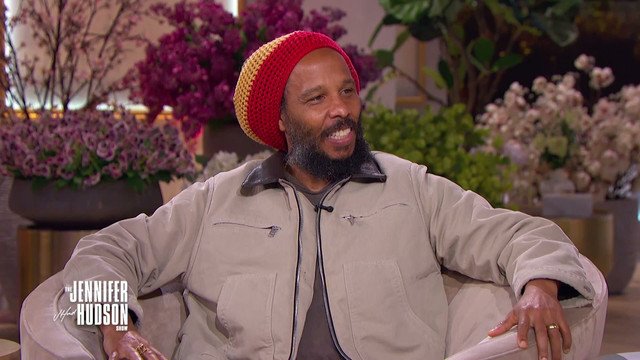
Ziggy’s reflections also showed the responsibility of carrying forward a family legacy. Preserving that legacy meant honoring the principles behind the work, not only the achievements.
He spoke about the importance of continuing a mission built around compassion and connection. The film represented an opportunity to introduce those ideas to audiences who may know only the music.
For longtime fans, the project offered a reminder of why the music resonated so strongly. For new audiences, it provided a path into a larger story about values and purpose.
The interview created a portrait filled with warmth rather than simple nostalgia. Ziggy’s memories showed a family shaped by creativity, laughter, and a shared belief in music’s power.
The discussion also revealed why the film carried personal significance. It was not merely a retelling of history, but a reflection on lessons that continued through generations.
Every memory connected back to the central idea of unity. Ziggy believed the strongest way to honor the past was by sharing a message that could still bring people together.
The conversation ended with a reminder that legacies are built through actions and principles. The music remained important, but the meaning behind it was what truly endured.
Through “Bob Marley: One Love,” Ziggy wanted audiences to see a fuller picture. The story included performances and achievements, but also family moments that revealed character.
His reflections transformed the film from a celebration of a career into an exploration of influence. The heart of the project was the belief that art could create understanding.
The memories of rehearsals, songwriting, and performances provided a personal foundation for that message. They showed how a musical legacy begins long before the world recognizes it.
Ziggy’s appearance offered viewers a look behind the public image and into the experiences that shaped his perspective. His words framed the film as a shared message rather than a private tribute.
In the end, the story returned to a simple idea. Music can entertain, but it can also connect people, inspire kindness, and encourage unity.
That was the purpose Ziggy wanted audiences to discover. The film’s lasting impact would not come only from remembering a legendary musician, but from embracing the values that powered the music