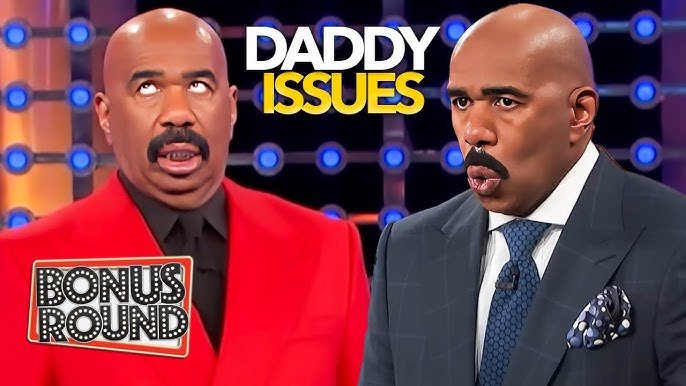

Few moments in classic television and vintage comedy capture the public’s heart quite like those unexpected bursts of hilarity found on game shows, especially when the humor springs from the contestant’s undeniably goofy or downright baffling answers. One such moment that stands out is the uproarious scene where Steve Harvey, the quick-witted host of Family Feud, is left speechless by some of the dumbest answers ever given on the show. This kind of humor resonates deeply with viewers because it strikes an entertaining balance between human error, spontaneous reactions, and the unpredictability that live television offers.
Steve Harvey’s hosting style brings a unique brand of comedic timing and warm charm, making these moments all the more memorable. His ability to remain composed while reacting to absurd answers — or, in rare cases, being genuinely taken aback — adds a layer of authenticity and relatable amusement. Watching a comedy legend encounter unexpected, comedic chaos is a crucial part of what makes Family Feud’s funniest replies so timeless and delightful to revisit.
Family Feud has long been a treasure trove of memorable TV moments mainly because it features everyday people responding to survey questions in ways that reveal the quirks of human thought under pressure. Whether it’s nerves, misunderstandings, or just spur-of-the-moment creativity, the answers that end up on screen expose imperfections and surprises that anyone can appreciate. The show’s fundamental premise invites a natural kind of humor that feels very different from scripted comedy: it’s spontaneous, often endearing, and decidedly authentic.
When contestants provide such unexpectedly silly answers that even Steve Harvey is left speechless, it highlights the sheer unpredictability of the show. This unpredictability is the driving force behind why viewers keep coming back for more. In an era overflowing with high-concept shows and elaborate production values, Family Feud’s charm lies in its simplicity—average families pitted against each other, answering everyday questions with surprising results. Those moments of dumbfounded silence or burst-out laughter from the host convey an infectious energy that’s impossible to replicate in scripted settings.
The comedy found in these dumbest answers is often layered. On one level, viewers laugh at the raw, surface-level absurdity of a wrong or nonsensical response. But on another, there’s this nostalgic warmth to the humor—these are moments of human imperfection and lighthearted failure that echo some of the best understated comedy in vintage television. These responses remind us that comedy legends like Steve Harvey shine brightest when reacting naturally to the unexpected, a reminder of the power of spontaneous humor over pre-planned jokes.
Part of what gives such moments lasting cultural appeal is Steve Harvey’s role as both raconteur and straight man. His reactions—sometimes a stunned silence, sometimes a baffling pause, other times a sharp, perfectly timed quip—amplify the humor. Comedy thrives on timing and contrast, and here we have a master performer adjusting live, which creates a timeless snapshot of comedic excellence. The blankness or disbelief on Harvey’s face becomes its own comedic punctuation, letting the absurdity linger for the audience to savor.
Audiences are often drawn to these clips because they capture what many of us experience in high-pressure or social situations: the struggle to come up with a sensible answer, and the comedic risk of guessing wrong. We all relate to those moments when our mind might just short-circuit under the glare of a spotlight or the ticking clock of a game. Watching a celebrity like Steve Harvey share in the moment—sometimes incredulous, sometimes amused—provides a warm sense of camaraderie between the viewer and the on-screen world.
This kind of scene retains replay value because it perfectly combines the timeless elements of comic misunderstanding with the contextual freshness that each episode brings. The answers may differ, but the reaction—the way Steve Harvey processes and responds—remains a constant source of entertainment. For fans of nostalgic TV and classic comedy moments, it’s like watching a new version of an old favorite every time, reminding us why some formats, and some hosts, endure.
Family Feud’s format—surveying a wide, diverse pool of respondents for “popular” answers rather than “correct” ones—invites lighthearted failures in a way other game shows do not. This element of unpredictability is crucial to the show’s enduring success and continues the tradition of vintage comedy that thrives on ordinary folks’ unexpected wit and folly. It’s a celebration of cultural quirks and innocent errors, all wrapped up in the comforting structure of a classic television game show.
In the context of classic television and vintage comedy, the humor of dumb answers is a virtual goldmine. From the perfectly timed freeze frames to the ideally paced commercial breaks that follow these moments, Family Feud’s production style complements the humor. The editing, reaction shots, and Harvey’s body language all coalesce to create an atmosphere where comedy legends like Steve Harvey can truly shine. This seamless blend of performance and natural comedic material makes the show a top-tier example of timeless humor.
It’s also interesting to consider how Family Feud contributes to TV nostalgia beyond the humor itself. The visual cue of a charismatic host faced with unexpected answers, the lighthearted competition, and the crowd’s reactions transport viewers back to a simpler era of entertainment where joy came from shared laughter at human oddities. This cultural resonance—the feeling of sitting in a living room, watching incredulity unfold on the screen—is part of why segments showcasing the dumbest answers ever remain cherished.
The emotional tone in these moments frequently oscillates between disbelief and genuine amusement. This blend reassures audiences that it’s okay to laugh at little slip-ups and that intelligence or quick-wittedness aren’t the only ingredients for fantastic television. In fact, many classic television moments owe their staying power to performances that harness vulnerability, playfulness, and the unexpected. The dumbest answers, met with Steve Harvey’s expressive silence or wit, tap into that vein of comedy, creating an inclusive laughter that invites everyone to join in.
Furthermore, the physical comedy aspect—Steve’s facial expressions, subtle gestures, and pauses—works alongside the dialogue-driven humor from contestants, making the entire experience multi-dimensional. When hosts are genuinely caught off guard, their body language sometimes communicates more than any punchline could. This nonverbal storytelling is a hallmark of vintage comedic television and helps to elevate simple game show bloopers into legitimate comedic gold.
Finally, the cultural appeal of these moments lies in their universality. No matter where an audience member is from, they can recognize the funny blunders that dozens of everyday people make during Family Feud. Steve Harvey’s disbelief, persistence, and good-humored leadership through these moments remind us why classic television and vintage comedy are so widely loved: they rely on human moments, sincere connections, and laughter born of the unexpected.
In conclusion, the scene where Steve Harvey is speechless over the dumbest answers ever given on Family Feud perfectly encapsulates why classic television and vintage comedy continue to charm audiences across generations. The humor, the timing, the host’s reactions, and the authentic absurdity all collide into a memorable TV moment that embodies timeless humor. It’s these unscripted bursts of ridiculousness, met with heartfelt laughter, that keep viewers nostalgic for a style of comedy and television that feels both comforting and endlessly entertaining.